Tuesday, February 15, 2022

Retrotope announces Phase 2/3 trial of RT001 in FA did not successfully meet its endpoints

Friedreich's Ataxia Research Alliance, 14 February 2022.  FARA has been notified by Retrotope that the recently completed Phase 2/3 trial of RT001 in FA did not successfully meet its endpoints.

In October 2019, Retrotope launched a Phase 2/3 trial in FA, A Study to Assess Efficacy, Long Term Safety and Tolerability of RT001 in Subjects with FA. This was a double-blind, placebo-controlled trial to study the impact of RT001 on neurological and cardiac symptoms and evaluate safety over 11 months of treatment. The trial enrolled 65 individuals who are ages 12-50 yrs and the primary outcome measure was peak workload change from baseline to 11 months using cardiopulmonary exercise testing (CPET). There were also secondary outcome measures to further assess neurological outcomes and fatigue.

The sponsor, Retrotope, has informed FARA and the trial investigators that the drug failed to reach its primary and key secondary endpoints in this study. Unfortunately, they report that there was no improvement in exercise measures or neurological outcomes assessed in the study. Even though the drug failed to show positive effects, we may learn important information from the trial. Therefore, the site investigators, along with Retrotope, are in the process of reviewing the detailed results over the next few weeks to see if there are insights from the trial that will be important to share with the FA community. We are disappointed in the results of the trial, however negative results are valuable and inform our future progress for other treatments in our pipeline. We are appreciative to Retrotope for bringing a potential therapy for FA to clinical trials. We want to thank and acknowledge all of the individuals who volunteered for the trial of RT001 along with the site investigators and coordinators who performed the trial.

Larimar Therapeutics Provides Update on CTI-1601 Clinical Program

BALA CYNWYD, Pa., Feb. 14, 2022 (GLOBE NEWSWIRE) -- Larimar Therapeutics, Inc. (“Larimar”) FDA stated it is maintaining its clinical hold at this time and that additional data is needed to resolve the clinical hold. Larimar is further analyzing previously completed studies, and is evaluating if additional studies are warranted. The Company also intends to engage FDA to determine how best to provide these data. Larimar is currently reassessing guidance on the timing of the planned Jive open-label extension and pediatric multiple-ascending dose clinical trials as it works to meet the agency’s request.

Sunday, February 13, 2022

SARS-CoV-2 attacks the weakest point - COVID-19 course in a pediatric patient with Friedreich's ataxia

Kamil Faltin, Zuzanna Lewandowska, Paweł Małecki, Krzysztof Czyż, Emilia Szafran, Agnieszka Kowalska-Tupko, Anna Mania, Katarzyna Mazur-Melewska, Katarzyna Jończyk-Potoczna, Waldemar Bobkowski, Magdalena Figlerowicz; International Journal of Infectious Diseases, 2022, doi:10.1016/j.ijid.2022.02.021. 

COVID-19 pandemic is the biggest epidemiological problem of the 21st century. The severe course of SARS-CoV-2 infection in children is rare. Sometimes, especially in patients with chronic disease, COVID-19 may be insidious and life-threatening. This article presents the course of COVID-19 in a 17-year-old boy with Friedreich's ataxia-induced hypertrophic cardiomyopathy. Despite that the main symptoms of COVID-19 (i.e., fever, cough) were moderate at the beginning of the illness, the patient condition deteriorated rapidly due to cardiac problems, atrial fibrillation, and heart failure. He required antiarrhythmic treatment and pharmacological and electrical cardioversion. Moreover, because of pneumonia requiring supplemental oxygen, remdesivir and convalescent plasma therapy were utilized in this patient. For the patient recovery, the administration of the antiviral treatment was crucial.

R. Protein Mutations and Stability, a Link with Disease: The Case Study of Frataxin

Puglisi, Biomedicines 2022, 10, 425. doi:10.3390/biomedicines10020425

Protein mutations may lead to pathologies by causing protein misfunction or propensity to degradation. For this reason, several studies have been performed over the years to determine the capability of proteins to retain their native conformation under stress condition as well as factors to explain protein stabilization and the mechanisms behind unfolding. In this review, we explore the paradigmatic example of frataxin, an iron binding protein involved in Fe–S cluster biogenesis, and whose impairment causes a neurodegenerative disease called Friedreich’s Ataxia (FRDA). We summarize what is known about most common point mutations identified so far in heterozygous FRDA patients, their effects on frataxin structure and function and the consequences of its binding with partners.

Tuesday, February 8, 2022

In vivo overexpression of frataxin causes toxicity mediated by iron-sulfur cluster deficiency

Claudia Huichalaf, Tyler L. Perfitt, Anna Kuperman, Renea Gooch, Ramesh C. Kovi, Karrie A. Brenneman, Xian Chen, Dinesh Hirenallur-Shanthappa, Tiffany Ma, Basel T. Assaf, Ingrid Pardo, Tania Franks, Laura Monarski, Ting-Wen Cheng, Kevin Le, Chunyan Su, Suryanarayan Somanathan, Laurence O. Whiteley, Christine Bulawa, Marko J. Pregel, Alain Martelli; Molecular Therapy - Methods & Clinical Development, 2022, doi:10.1016/j.omtm.2022.02.002. 

At the lowest tested dose, we observed moderate liver toxicity that was accompanied by progressive loss of transgene expression and liver regeneration. Together, our data provide insights into the toxicity of frataxin overexpression that should be considered in the development of a gene therapy approach for Friedreich’s ataxia.


Monday, February 7, 2022

Patients’ access to rare neuromuscular disease therapies varies across US private insurers

Nikoletta M. Margaretos, Komal Bawa, Natalie J. Engmann & James D. Chambers; Orphanet J Rare Dis 17, 36 (2022). doi:10.1186/s13023-022-02182-3

The high cost of providing coverage for rare disease therapies remains a key challenge for health insurers. This challenge will increase as regulatory agencies continue to approve increasingly large numbers of rare disease therapies and healthcare payers have to balance providing access with budget constraints. The evaluated set of large US private insurers tended to apply coverage restrictions beyond the FDA label indication in their coverage policies for a set of rare NMD DMTs. Plans rarely applied the same criteria in their coverage policies for the same products. Inconsistent coverage criteria mean that patients with different insurers have variable access to the same therapies, which may have important consequences for patients who move from one plan to another.

Monday, January 31, 2022

Reata Pharmaceuticals Initiates Rolling Submission of New Drug Application with U.S. FDA for Omaveloxolone for the Treatment of Patients with Friedreich’s Ataxia

January 31, 2022. PLANO, Texas--(BUSINESS WIRE)-- Reata Pharmaceuticals, Inc. (Nasdaq: RETA), (“Reata,” the “Company,” “our,” “us,” or “we”), a clinical-stage biopharmaceutical company, today announced that the company has initiated a rolling submission of a New Drug Application (“NDA”) to the U.S. Food and Drug Administration (“FDA”) for omaveloxolone for the treatment of patients with Friedreich’s ataxia. The rolling submission allows Reata to submit portions of the regulatory application to the FDA for review on an ongoing basis. The company reiterates that it expects to complete the submission of the NDA by the end of the first quarter of 2022. 

Plans to Complete Submission by the End of the First Quarter of 2022 If Approved, Omaveloxolone Would Become the First Therapy Indicated for the Treatment of Patients with Friedreich’s Ataxia

Sunday, January 30, 2022

Therapeutic Strategies Targeting Mitochondrial Calcium Signaling: A New Hope for Neurological Diseases?

Rodríguez LR, Lapeña-Luzón T, Benetó N, et al.; Antioxidants (Basel, Switzerland). 2022 Jan;11(1). DOI: 10.3390/antiox11010165. PMID: 35052668.

Calcium (Ca2+) is a versatile secondary messenger involved in the regulation of a plethora of different signaling pathways for cell maintenance. Specifically, intracellular Ca2+ homeostasis is mainly regulated by the endoplasmic reticulum and the mitochondria, whose Ca2+ exchange is mediated by appositions, termed endoplasmic reticulum–mitochondria-associated membranes (MAMs), formed by proteins resident in both compartments. These tethers are essential to manage the mitochondrial Ca2+ influx that regulates the mitochondrial function of bioenergetics, mitochondrial dynamics, cell death, and oxidative stress. However, alterations of these pathways lead to the development of multiple human diseases, including neurological disorders, such as amyotrophic lateral sclerosis, Friedreich’s ataxia, and Charcot–Marie–Tooth. A common hallmark in these disorders is mitochondrial dysfunction, associated with abnormal mitochondrial Ca2+ handling that contributes to neurodegeneration. In this work, we highlight the importance of Ca2+ signaling in mitochondria and how the mechanism of communication in MAMs is pivotal for mitochondrial maintenance and cell homeostasis. Lately, we outstand potential targets located in MAMs by addressing different therapeutic strategies focused on restoring mitochondrial Ca2+ uptake as an emergent approach for neurological diseases.

Friday, January 28, 2022

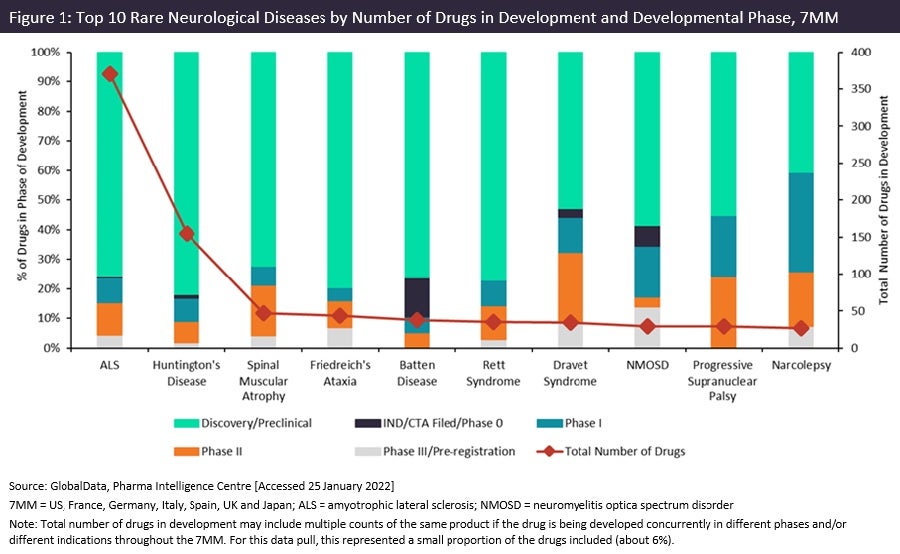
Comparing pipelines across ten rare neurological diseases

Pharmaceutical Technology. January 27, 2022. 

 While much progress has been made in some rare neurological diseases, others are only beginning to see interest from developers.


Sunday, January 23, 2022

Mice harboring the FXN I151F pathological point mutation present decreased frataxin levels, a Friedreich ataxia-like phenotype, and mitochondrial alterations

Marta Medina-Carbonero, Arabela Sanz-Alcázar, Elena Britti, Fabien Delaspre, Elisa Cabiscol, Joaquim Ros & Jordi Tamarit. Cell. Mol. Life Sci. 79, 74 (2022). doi:10.1007/s00018-021-04100-5 

 We conclude that the primary pathological mechanism underlying the I151F mutation is frataxin deficiency, like in patients carrying GAA expansions. Therefore, patients carrying the I154F mutation would benefit from frataxin replacement therapies. Furthermore, our results also show that the FXNI151F mouse is an excellent tool for analyzing tissue-specific consequences of frataxin deficiency and for testing new therapies.